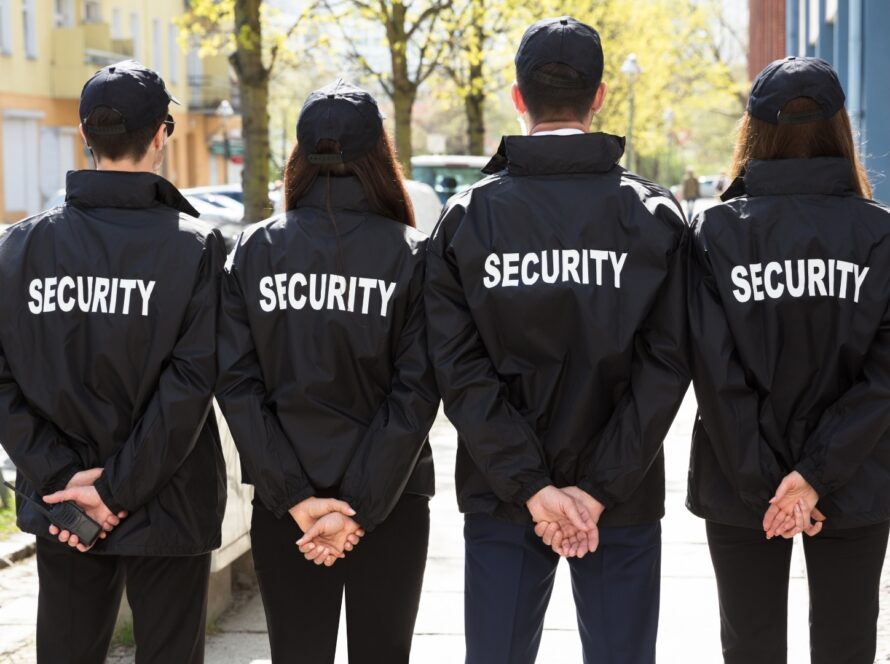
Security guards are often the first line of defence in protecting people, property, and assets. While their job is critical to maintaining safety, it also comes with inherent risks. Whether patrolling a commercial building, monitoring a parking lot, or overseeing a high-profile event, security guards must be prepared for a variety of situations. Staying safe on the job should always be a top priority.
In this blog, we’ll discuss essential safety tips that every security guard should follow to protect themselves while on duty.
1. Know Your Environment
The first step to staying safe as a security guard is being aware of your surroundings. Familiarize yourself with the environment you are assigned to protect, whether it’s a building, a shopping mall, or a special event. Before starting your shift, take a walk around the premises to assess potential risks—check the exits, emergency equipment, lighting, and blind spots.
Understanding the layout of the site helps you anticipate potential hazards and plan your patrol routes accordingly. If you know where the security cameras are, the emergency exits, and any vulnerable areas, you’ll be better equipped to handle dangerous situations.
2. Follow the Safety Protocols and Procedures
Every security company and site should have established safety protocols and emergency procedures. It’s essential to follow these guidelines, even if they seem repetitive or unnecessary. These protocols are designed to keep both security guards and the people they protect safe.
Whether it’s knowing how to respond to an alarm, securing an area during a lockdown, or handling a medical emergency, knowing the correct procedures ensures that you’re prepared in any situation. Regularly reviewing safety manuals, attending training sessions, and participating in drills can help keep these procedures top of mind.
3. Stay in Contact with Your Team
Effective communication is one of the most critical aspects of staying safe as a security guard. Stay in regular contact with your supervisor or team members, especially when working in larger areas or during nighttime shifts. Always ensure someone knows where you are and what you are doing.
In situations where backup is necessary, having clear communication channels can help summon assistance quickly. Carrying a fully charged radio or phone at all times allows you to stay connected and report any suspicious activity or emergencies.
4. Trust Your Instincts
Security guards often deal with situations where intuition plays a major role in determining whether something is suspicious or not. If a situation feels off or a person’s behavior seems strange, trust your instincts. Your training has taught you how to assess situations, but your gut feeling is just as important.
If something feels dangerous or uncomfortable, do not hesitate to alert authorities or call for backup. Your safety should always come first, and it’s better to be cautious than to put yourself in harm’s way.
5. Use Non-Confrontational Approaches
Security guards often encounter individuals who are upset, confrontational, or aggressive. While it’s important to enforce rules and maintain order, it’s equally important to avoid escalating situations. Non-confrontational communication can be your best tool in these instances.
Approach situations calmly and respectfully. Maintain a neutral tone, avoid using aggressive language, and give individuals space to cool down. If the situation escalates, it’s important to know when to call for backup rather than engage in a physical confrontation.
6. Wear the Proper Uniform and Gear
Wearing the proper uniform and gear is essential for both personal safety and professional appearance. Make sure your uniform is fitted for comfort and ease of movement. It should also allow you to carry necessary equipment like radios, flashlights, and any self-defense tools you are authorized to carry.
In certain high-risk environments, additional protective gear, such as body armor or reflective vests, may be necessary. Never underestimate the importance of protective gear—it could be the difference between safety and injury in a dangerous situation.
7. Learn Basic Self-Defense Techniques
While physical confrontation should always be a last resort, knowing basic self-defense techniques is important for any security guard. Understanding how to defend yourself, control an aggressor, and protect yourself in the event of an altercation is crucial.
Many security companies offer self-defense training, which can help you respond effectively to a physical threat. In addition, learning how to stay calm under pressure and de-escalate confrontational situations can prevent things from turning violent.
8. Stay Fit and Healthy
Physical fitness is often overlooked in the security profession, but it plays a significant role in ensuring personal safety. Guards who are physically fit have the stamina and strength to handle the demands of their job. They are also more prepared to respond to emergencies, pursue suspects, or assist in a physical altercation if necessary.
Maintaining a regular fitness routine, eating a balanced diet, and getting enough rest are all important components of staying healthy and alert during your shifts.
9. Know How to Handle Weapons and Use of Force
In some situations, security guards may be authorized to carry weapons for protection. It’s essential to know how to handle these weapons safely and responsibly. If you are carrying a weapon, whether it’s a firearm, baton, or taser, make sure you’ve received the proper training and that you follow all legal and company guidelines.
In addition to weapon use, understanding the Use of Force is critical. Training Centre Canada offers specialized Use of Force Training, which is essential for security guards who carry equipment such as batons, firearms, or handcuffs. This training ensures that you are fully prepared for situations that may require physical intervention, teaching you how to respond appropriately and safely.
Our Use of Force Training meets the strict standards of the Ministry of the Solicitor General’s Private Security and Investigative Services Branch and is mandatory for those who plan to carry protective equipment. This training is updated regularly, ensuring you have the most current information and techniques to stay safe and effective on the job.
Training Centre Canada is dedicated to providing top-quality, legally compliant training, and our Use of Force Training is just one example of how we equip security guards with the skills necessary to handle their duties safely and professionally.
10. Stay Educated and Informed
The security landscape is constantly evolving, with new risks, technologies, and best practices emerging regularly. Staying educated and informed will help you adapt to changes and improve your effectiveness as a security guard.
Participate in continuing education, attend workshops, and stay up to date on security trends and industry news. Knowledge is power, and the more you know, the safer you will be on the job.
Conclusion
Staying safe as a security guard requires more than just vigilance—it takes a combination of training, awareness, communication, and physical readiness. By following these essential tips, you’ll be better equipped to handle any situation and protect yourself and others while on the job.
At Smith Security, we ensure that our guards receive the proper training and support to stay safe and perform their duties effectively. Whether you’re a new security guard or a seasoned professional, safety should always be your top priority.